
Periodontal disease is a common disease, with a large percentage of the population being affected.
In the United States alone, over half of the adult population (30 +) will be diagnosed during their lifetime and 64% of adults 65+ have moderate-severe periodontal disease as stated in Gum Disease and Older Adults - American Academy of Periodontology. It is the leading cause of tooth loss in the United States and worldwide.
Periodontal disease is primarily driven by bacteria but can have other causes or influencing risk factors such as poor oral hygiene, genetics, smoking, smokeless tobacco products and certain systemic diseases such as diabetes.
Toxins produced by bacteria which live in plaque (the soft biofilm that forms on teeth) irritate gum tissue and stimulate a chronic inflammatory response by the body. Once the plaque hardens, it becomes a mineralized substance called calculus (often referred to as tartar) which needs to be professionally removed. If the calculus is not removed, pockets can deepen, there is further destruction of the supporting bone and gums and the disease usually progresses, possibly resulting in tooth loss.
Periodontal Disease is divided into 2 main categories - gingivitis & periodontitis . These have sub-categories within them. Below are the most commonly diagnosed forms of periodontal disease.
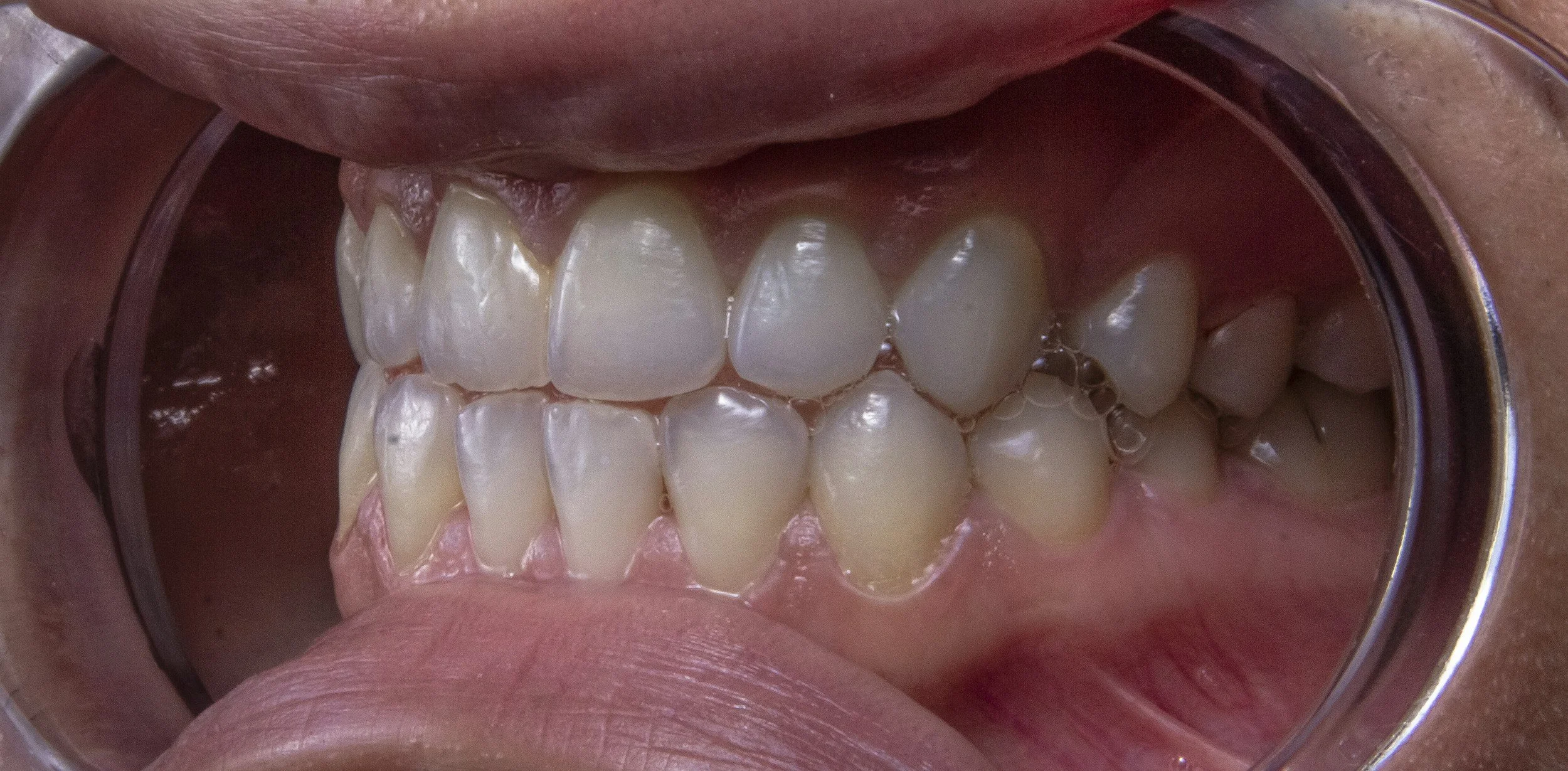
Gingivitis
Gingivitis is the inflammation of gum tissue, often associated with bleeding while brushing/flossing and may cause persistent bad breath. It is a form of mild periodontal disease and can usually be treated very effectively in your general dental office.
Gingivitis does not include the destruction of underlying supportive tissue such as bone, is reversible and requires minimal clinical intervention. Without treatment it may progress to periodontitis. With regular dental cleanings by your general dental office and good homecare, gingivitis can be a thing of the past quickly! If you would like tips on what the most effective oral homecare is please see (hyperlink to Homecare under patient tab) for some useful, real life suggestions and correct techniques in using the various tools.
Pregnancy gingivitis

Pregnancy gingivitis may occur during a woman's first to third trimester, but usually peaks in the second trimester and is fueled by pregnancy hormones, mainly progesterone, a hormone which surges during pregnancy. It will occur in up to 75 % of pregnancies and is highly treatable. For women experiencing morning sickness, the acid exposure on tooth surfaces can aggravate the problem.
Less frequently, pregnancy tumors may appear mainly between teeth and are benign, swollen gum tissue. These may need to be treated or often resolve on their own after pregnancy. If removal is required post-pregnancy, it is a simple, predictable procedure which can be performed in our office.
It is vital you continue your general, consistent dental care while pregnant and pay extra attention to home plaque removal. Untreated gingivitis may lead to periodontitis which has been linked to potential risks such as low birth weight and preterm birth.
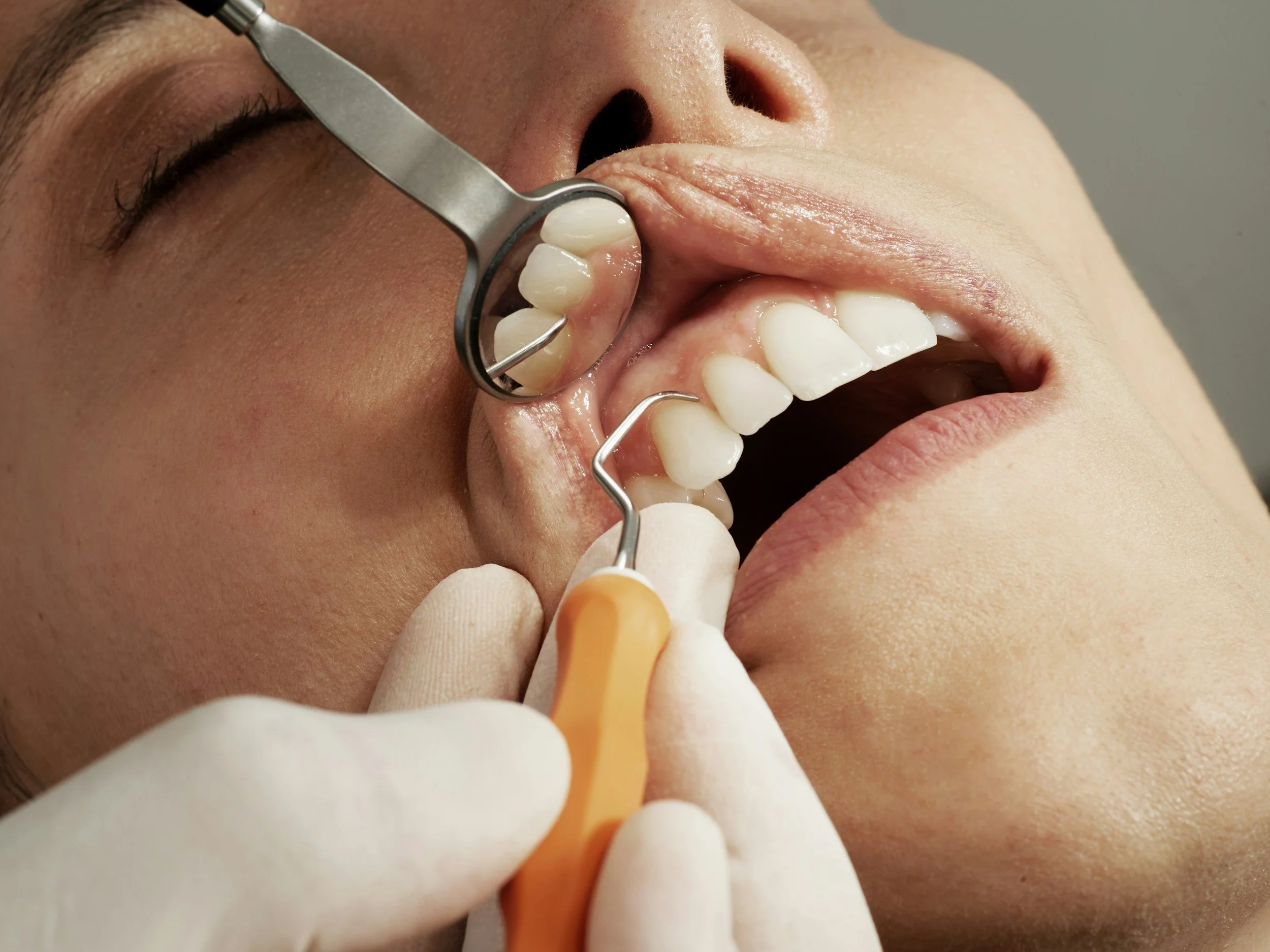
Periodontitis
Periodontitis is a bacterial infection of the gum tissue and includes destruction of the underlying supportive structures, including bone. It is not reversible but can be treated effectively with conservative treatment such as scaling & root planing (deep cleaning), or more advanced techniques such as periodontal surgery or the use of new, regenerative laser technology. As periodontitis is a managed disease (i.e it is not ‘cured’) regular periodontal maintenance (a general cleaning that focuses on periodontal pockets and inflammation) is important following your initial treatment. The periodontal maintenance schedule is determined several weeks after your initial treatment and influenced by your response to treatment, any underlying contributing health factors and any residual problematic areas that need to be monitored. Periodontal maintenance is often performed every 3 months, sometimes every 4 months, and can be performed in your dentist office or ours depending on several factors. Many patients alternate between their general dental offices and our office until periodontal stability is achieved, or continue this process if required. Our goal is always to get you back to your general dental office!
Signs and symptoms of periodontal disease
Periodontitis is often painless and considered a ‘silent disease’ but can result in tooth loss, periodontal abscesses and further destruction of jaw bone loss if not treated. Signs and symptoms of possible periodontitis include:
Bad breath that is persistent
Bleeding gums when flossing or brushing
Pus between teeth
Swollen, red and/or tender gums. It may hurt when eating hard foods or cleaning your teeth
Receding gums making the tooth/teeth look longer than they previously did
A change in the way your bite feels (the way your teeth come together)
Teeth that feel loose or wiggly
clinical Signs of periodontal disease
Deep periodontal probing depths (2-3 mm is considered ‘healthy’)
Bleeding or suppuration (pus) on probing (a probe is a small dental measuring instrument that is gently placed between your tooth and gums the measure the depth of the pocket)
Radiographic bone loss (seen on x-rays)
Recession
Mobility (looseness) of teeth
The severity of Periodontitis is classified by stage and grade which will be determined after a comprehensive examination that includes a full periodontal charting where pocket depths , mobility, recession and furcations are recorded, radiographs (x-rays) and other possible data collection including photos. Once you have been accurately diagnosed, Dr Herron will recommend which treatment will be the most effective for your unique case.
The initial, most conservative treatment for periodontitis is often scaling & root planing - in our office this is performed with the aid of perioscopy to ensure the best possible response. Scaling & root planing is performed by one of our periodontal hygienists. Their expertise in the treatment of periodontal disease is an integral part of this office and your care Please see (hyperlink for scaling & root planing under the patient tab) to learn more.
If further treatment such as periodontal surgery, laser assisted surgery, bone grafting, gum grafting or extractions are needed, this will be determined at a comprehensive re-evaluation by Dr Herron several weeks after the initial treatment is completed. If no further treatment is required, Dr Herron will determine the most effective periodontal maintenance schedule for your case.
Peri-implant mucositis & Peri-implantitis
These are periodontal diseases which affect dental implants. Peri-implant mucositis is correlated to gingivitis where there is inflammation, bleeding and redness around the gum tissue of an implant but the bone structure which the implant is supported by, has not been affected. It is critical to treat peri-implant mucositis as it will often lead to peri-implantitis and the possible loss of a dental implant.
Peri-implantitis correlates to periodontitis where the supporting bone structure around the implant is also affected/lost.
We have several options for treating both peri-implant mucositis & peri-implantitis, including specialized deep cleaning and LAPIP ™ to potentially regenerate bone loss around implants. Technology such as airpolishing will typically be used during your periodontal maintenance appointments to maintain the health of dental implants.